
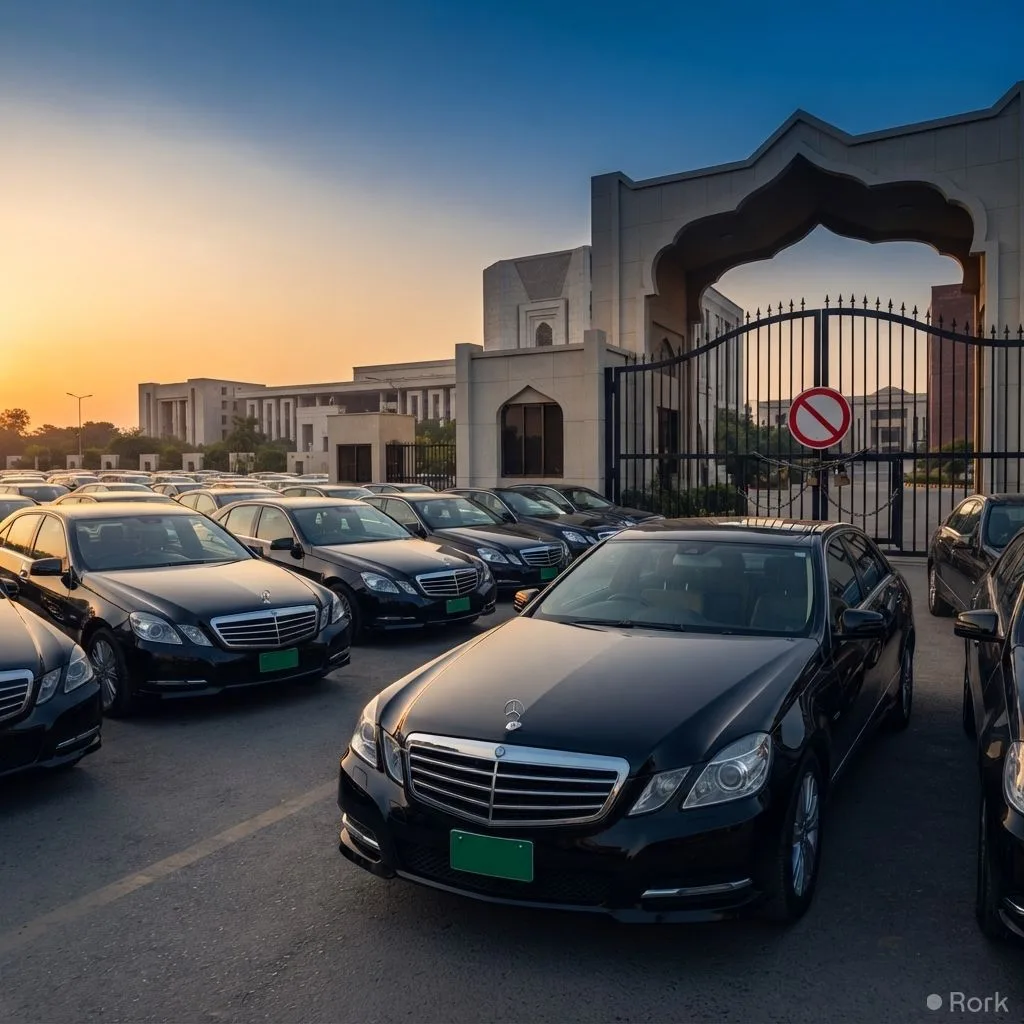
The mounting pressure on Pakistan’s treasury has forced policymakers to tighten the belt on public spending, and the government’s transport budget is now under the spotlight. As fuel prices continue to climb and the fiscal deficit widens, officials are looking for every possible lever to curb expenditure.
Prime Minister Shahbaz Haroon gave the final nod to a sweeping prohibition that bars all federal ministries, departments and agencies from buying any new vehicles. The ban, issued through the National Assembly Secretariat, is intended to preserve dwindling fuel reserves and trim the cost of maintaining a growing fleet of state‑run automobiles.
Under the new rule, ministries must continue operating with the cars, trucks and vans already in their inventories. The Secretariat has instructed each department to submit a detailed audit of existing vehicles, identify under‑utilised assets and explore alternatives such as car‑pooling, public transport or leasing arrangements. Officials stress that the measure does not affect contracts already signed before the announcement, but any future procurement request will be rejected outright.
The decision arrives as part of a broader austerity package announced earlier this year, which also includes a freeze on non‑essential travel, tighter controls on utility subsidies and a review of capital‑intensive projects. Analysts say the vehicle ban could shave several hundred million rupees off the annual government budget, while also sending a signal to the private automotive sector that demand from the public purse will remain subdued for the foreseeable future.
Critics argue that the curtailment may hamper the efficiency of service delivery, especially in remote regions where reliable transport is essential for health, education and disaster‑relief operations. The government, however, maintains that the policy is a temporary, pragmatic response to an unprecedented energy crunch, and that it will reassess the ban once the macro‑economic outlook stabilises.