
Key points:
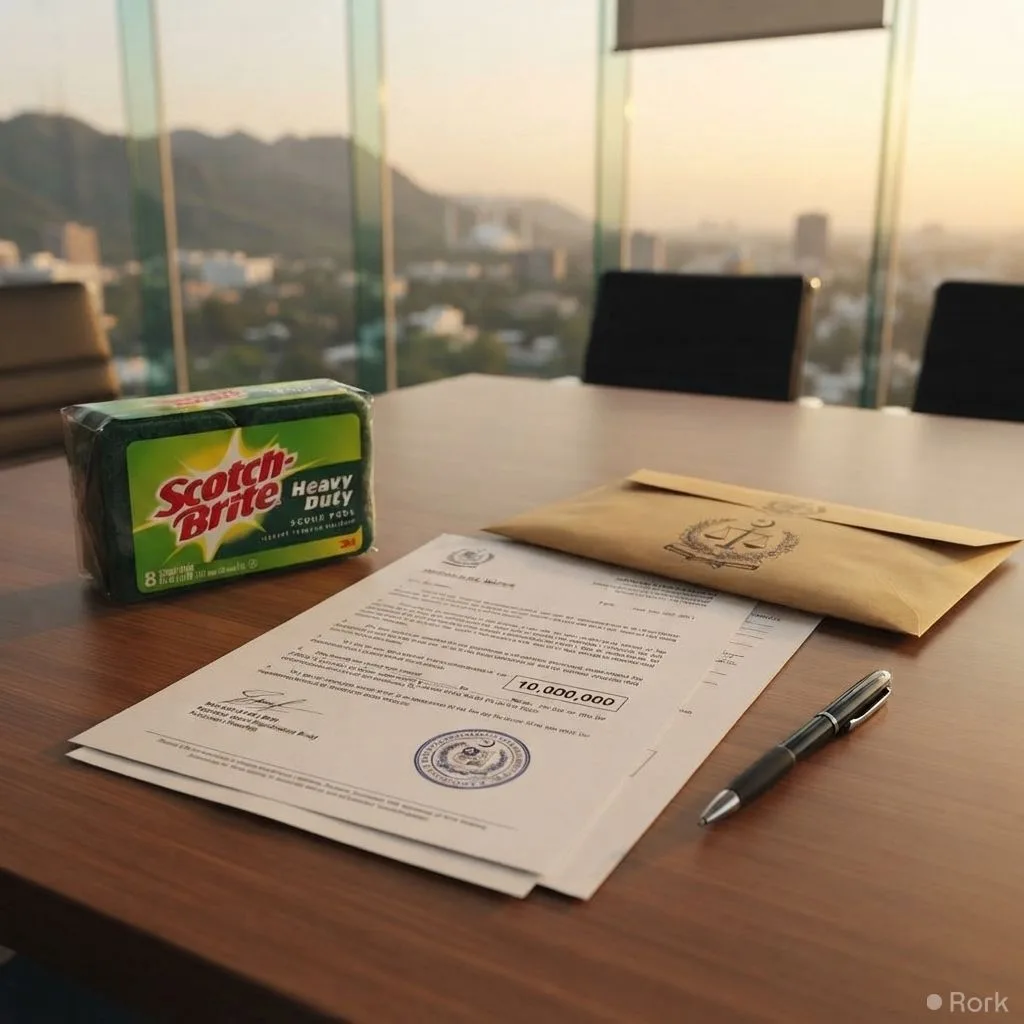
- The Competition Commission of Pakistan (CCP) has levied a Rs 10 million penalty on 3M Pakistan for misleading advertising of its Scotch‑Brite cleaning products.
- The regulator concluded that the promotional claims overstated the product’s effectiveness, breaching both competition and consumer‑protection legislation.
- 3M has been instructed to withdraw the offending advertisements and to support any future claims with verifiable evidence.
- The decision underscores a tougher stance by Pakistani authorities on false advertising, sending a clear signal to manufacturers operating in the local market.
The CCP’s ruling, announced on 24 September 2026, follows a detailed investigation into a series of television and print ads that suggested Scotch‑Brite could remove stains that “ordinary cleaners cannot touch.” After reviewing the marketing material and testing reports, the commission determined that the assertions were not backed by independent data and therefore misled consumers about the product’s performance.
Under the Competition Act 2010 and the Consumer Protection Ordinance 2000, businesses are prohibited from making unsubstantiated claims that could influence purchasing decisions. By imposing a Rs 10 million fine—the equivalent of roughly one crore rupees—the CCP aims to enforce these statutes more rigorously and deter similar practices across the FMCG sector. The penalty also serves to protect Pakistani households, many of whom rely on affordable cleaning solutions and could be swayed by exaggerated promises.
In its response, 3M Pakistan acknowledged the commission’s findings and pledged to revise its promotional content within a stipulated timeframe. The company also committed to conducting scientific tests that meet local regulatory standards before launching any new claim. Industry analysts note that while the fine is sizable, it is unlikely to cripple 3M’s operations; however, it may prompt a reassessment of marketing strategies among multinational firms operating in Pakistan.
The case arrives at a moment when consumer‑rights groups in the country are demanding greater transparency from advertisers, especially in sectors such as household goods, pharmaceuticals, and food. By holding a major multinational accountable, the CCP hopes to reinforce a market environment where product claims are credible, thereby enhancing consumer confidence and fostering fair competition.