
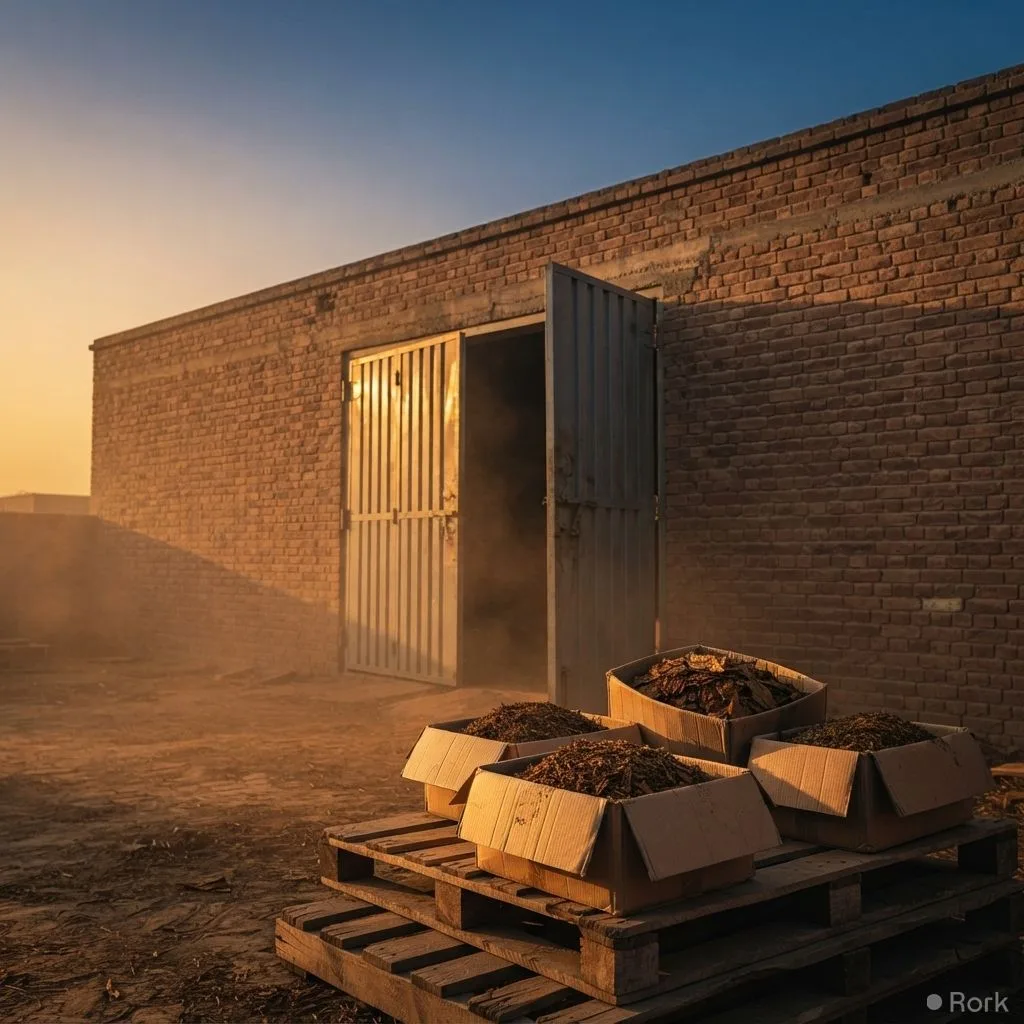
Rs 250 million worth of confiscated cigarettes have vanished from an FBR storage depot in Swabi.
The Federal Board of Revenue confirmed that a pallet of smuggled tobacco products, valued at roughly Rs 250 million, went missing from its Swabi warehouse earlier this week. The cigarettes had been seized by customs officials during a recent crackdown on illicit imports and were being held pending further legal and fiscal action. Their disappearance was first reported by warehouse staff during a routine inventory check, prompting an immediate alert to senior FBR officials.
Under standard procedure, seized goods are logged into a centralized database, sealed, and stored in secure depots until they can be either destroyed, auctioned, or transferred to the excise department for taxation. In this case, the tobacco products were slated for destruction, a process that usually involves strict chain‑of‑custody documentation and physical oversight by both customs and FBR personnel. The loss therefore points to a breach in the tracking system that should have prevented any unauthorized movement of the stock.
In response, the FBR has launched an internal inquiry to trace the lapse and identify those responsible. Preliminary statements from the board emphasize that the investigation will scrutinise security protocols, staff attendance logs, and the electronic inventory records. Officials have warned that any misconduct uncovered could result in disciplinary action, including criminal prosecution, given the sizeable revenue that the government stands to lose from such high‑value contraband.
The incident revives concerns that have surfaced in recent years over the handling of seized assets across Pakistan. Similar disappearances of confiscated motor vehicles, gold, and agricultural produce have sparked public debate about corruption and lax oversight within revenue and customs departments. For the residents of Swabi, the missing cigarettes represent not only a direct hit to government coffers—cigarette taxes contribute significantly to provincial and federal budgets—but also a blow to confidence in the institutions tasked with curbing smuggling, a trade that fuels illicit economies in the Khyber Pakhtunkhwa region.
Stakeholders, including the Customs‑Excise Department, provincial police, and the Ministry of Finance, have been urged to tighten inventory controls, adopt real‑time tracking technology, and enforce stricter access restrictions to storage facilities. The outcome of the FBR’s probe is expected to shape forthcoming policy revisions aimed at safeguarding seized assets, ensuring transparent disposition, and ultimately protecting public revenue from further erosion.